Truck Air Conditioning Selection: Parking AC vs. Residential AC for Trucks
DATE: 2026-03-25 10:33:05 SHARE:
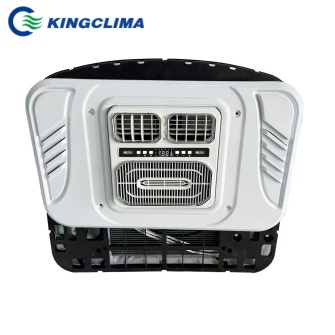
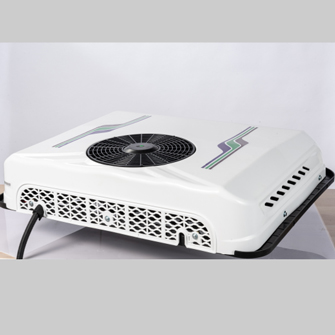
Choosing between residential air conditioning, dedicated parking air conditioning, and standard truck air conditioning is a common dilemma for drivers. While idling the air conditioner overnight can provide coolness, it significantly increases fuel consumption. Over time, this can lead to increased engine carbon buildup, reduced power output, and the risk of carbon monoxide poisoning in a confined space. Therefore, drivers typically opt for a separate air conditioning unit. What is a dedicated parking air conditioner? A parking air conditioner is an electric air conditioner designed specifically for the vehicle. It connects directly to the truck's DC battery pack (12V or 24V), eliminating the need for an inverter. This direct connection makes it extremely energy efficient. Furthermore, they use automotive-grade components, and the internal piping is designed with flexibility or reinforcement to prevent cracking from road impacts. If you need a professional and reliable truck air conditioning solution, this is the industry standard choice. What role do residential air conditioners play in truck applications? Residential air conditioners refer to residential window air conditioners or small split-type air conditioners. Drivers often modify these to fit into semi-trailer trucks. The most attractive aspect is the price. A window air conditioner can cost as little as $200. However, these air conditioners use 110V AC household power. Your truck generates DC power. Therefore, you must install a high-power inverter to convert the electrical energy. This conversion process wastes a lot of energy. Furthermore, household air conditioners are designed by manufacturers to be fixed to the window, not for use on bumpy highways. Differences in Durability between Household and Parking Air Conditioners Vibration is the number one killer of truck electronics. This is precisely the key difference between household and parking air conditioners. Household air conditioner units use rigid copper tubing. When a truck hits a pothole, the chassis deforms. This impact is transmitted to the air conditioning unit. Over time, the rigid copper tubing vibrates. Eventually, this can cause cracks in the tubing. Once the tubing breaks, refrigerant leaks. This dedicated parking air conditioner uses rubber hoses and shock-absorbing brackets. These components bend with the vehicle body and remain leak-proof even under continuous vibration. Its superior durability justifies its high price. Safety and Legal Issues of Household Air Conditioners Installing a household air conditioner on a truck window can be dangerous. Without a steel bracket for secure mounting, the air conditioner becomes a safety hazard. In the event of an accident, a loose air conditioner unit could fly out of the vehicle and even injure the driver. Furthermore, truck air conditioning is a sealed automotive system. While household air conditioners often leak water, allowing it to drain outdoors in a residential environment, on a moving truck, wind pressure can force water back into the cab, causing carpets to mold and floors to rust. Professional truck air conditioning systems are equipped with specially designed drainage systems to handle water generated during vehicle movement.



.jpg)

.png)
(1).jpg)


