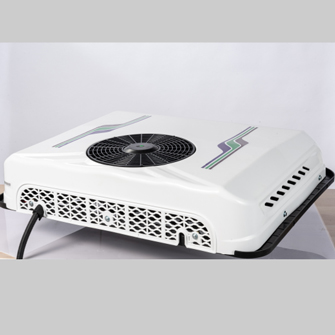
Will The Truck Start Normally The Next Day If The Parking Air Conditioner Runs Overnight?
DATE: 2026-05-20 11:19:28 SHARE:
For long-haul truck drivers, rest quality directly impacts road safety and work efficiency. Parking air conditioners are essential for improving cab comfort, but concerns about battery drain have long plagued users. This article explores how smart low-voltage protection technology eliminates this worry, enabling drivers to enjoy comfortable rest without sacrificing vehicle reliability.
Low-Voltage Protection: The Battery Guardian
Parking air conditioners rely on vehicle batteries for power. Without proper monitoring, continuous operation can drain batteries completely, leaving trucks unable to start. Low-voltage protection serves as a critical safety mechanism to prevent this risk. The system works by constantly monitoring battery voltage. When levels drop below a preset safety threshold, it automatically shuts off the air conditioner to preserve enough power for engine startup. For typical 24V truck batteries, the critical discharge point is around 21V. Most protected systems set thresholds between 22.5-23V, creating a 1.5-2V safety buffer that balances cooling duration with startup reliability.
To fully leverage low-voltage protection, consider these key factors when selecting and operating your parking air conditioner: 1. Selecting the Right Model Prioritize reputable brands like King Clima, which integrates reliable low-voltage protection systems that automatically shut down when voltage drops below safe levels. For noise-sensitive users, split-system models with external outdoor units significantly reduce cabin noise. Top-mounted all-in-one units offer easier installation for those prioritizing convenience. 2. Customizing Protection Settings Adjust voltage thresholds based on battery condition: New batteries: Set thresholds around 22.5V to maximize cooling time while maintaining safety margins. Aging batteries (2+ years): Increase thresholds to 23V to account for reduced storage capacity from sulfation. 12V systems: Halve 24V settings (typically 11-11.5V) to match lower voltage requirements. Always verify settings with a multimeter to ensure protection triggers correctly under simulated low-voltage conditions. 3. Energy-Saving Best Practices Maximize efficiency with these operational tips: Maintain temperatures around 26°C (79°F) after initial cooling to balance comfort and power consumption. Park in shaded, well-ventilated areas to reduce external heat load on the system. Perform monthly full charge-discharge cycles to slow battery sulfation and extend lifespan.
Troubleshooting Common Issues
Frequent protection triggers: Measure actual battery voltage. Normal readings indicate potential wiring issues or compressor malfunction requiring professional inspection. False alarms: Check sensor connections for corrosion or damage. Calibrate or replace faulty sensors as needed. Winter operation: Some systems may trigger protection in extreme cold. Allow batteries to warm slightly before use or adjust thresholds temporarily if manufacturer-approved.
King ClimaParking Air Conditioner Protects You
In the past, drivers faced a dilemma: either endure uncomfortable temperatures or wake up frequently to check the battery level. King Clima has developed a parking air conditioner with low-voltage protection, perfectly solving this problem. It monitors the battery reserve in real time, automatically cutting off the air conditioner power when the battery voltage approaches the critical low point, preserving sufficient starting power for reliable starting and maintaining cabin comfort throughout the night. For professional drivers, quality rest is non-negotiable. Investing in a parking air conditioner with smart low-voltage protection provides both comfort and security, ensuring you start each journey refreshed and confident.



.png)

.jpg)
.png)