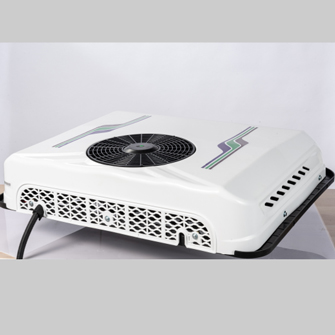
A fan moves air. A tent air conditioner removes heat. In a closed tent on a 35 °C afternoon those are not the same product, and no amount of airflow closes the gap — a fan simply circulates air that is already too warm.
That is the case for a portable cooling unit, but the case looks different depending on where the tent is pitched. Here are the four settings where KingClima's KC700 does work a fan cannot, and what each one demands from the hardware.
Truck bed tents have become the default overlanding setup: a mattress over the bed, a canopy on top, and no shade once the sun clears the roofline. The cab air conditioner cannot help — the engine must run, and running it at camp is exactly what overlanders avoid.
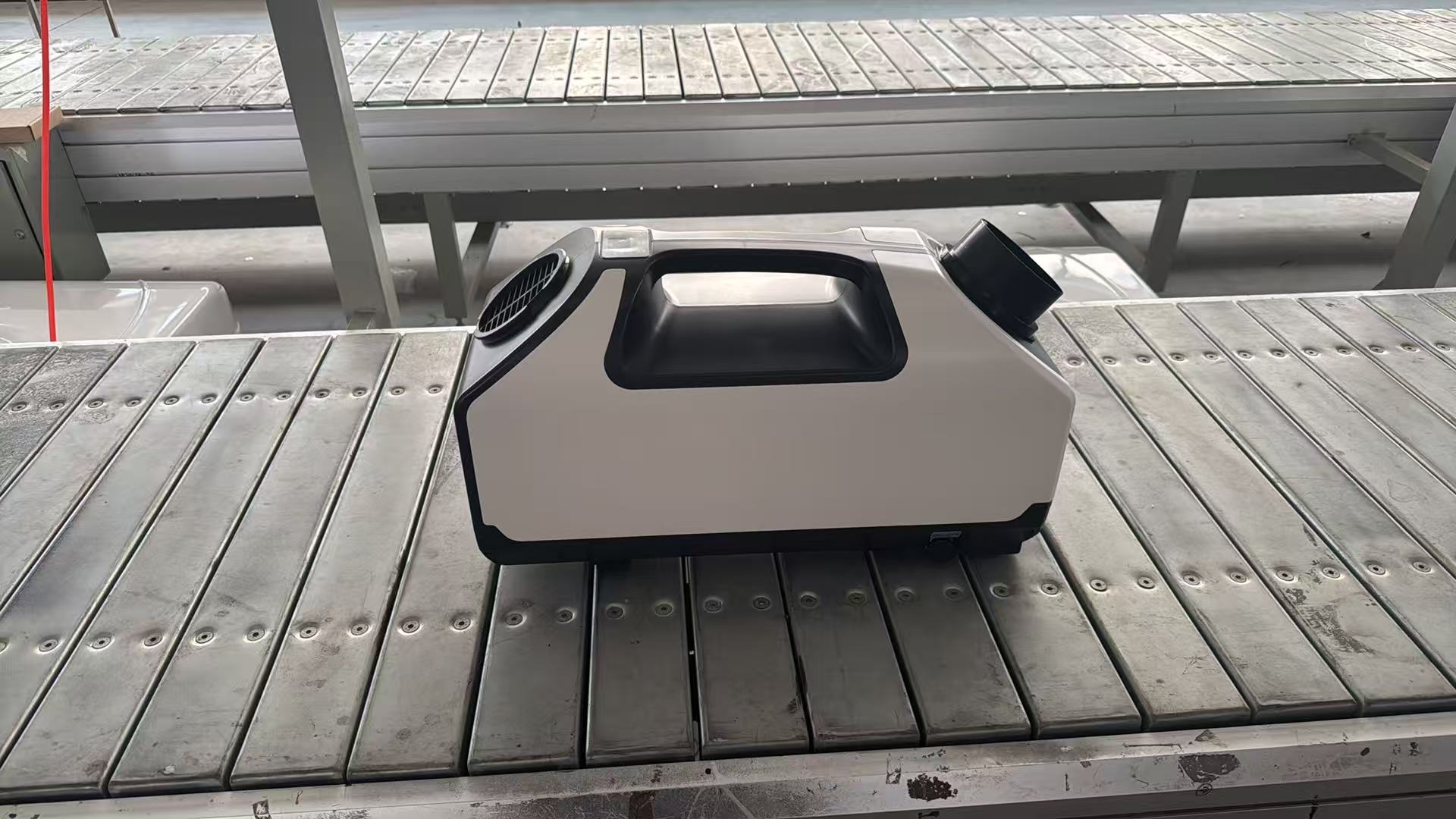
A 10.5 kg portable unit solves this cleanly. It runs on DC24V straight from the vehicle or house bank, drawing 250 W. No inverter, no generator, no idling engine.
Rooftop units are built for cabs, not canvas. They need a structured roof, a cut-out and a permanent power feed — none of which a truck bed tent has. A self-contained portable unit needs nothing: set it inside, close the flap around the vent, and switch on.
For families, the argument is simpler and less romantic. Children overheat faster than adults, and a tent that is unbearable at 2 p.m. becomes a tent nobody wants to be in.
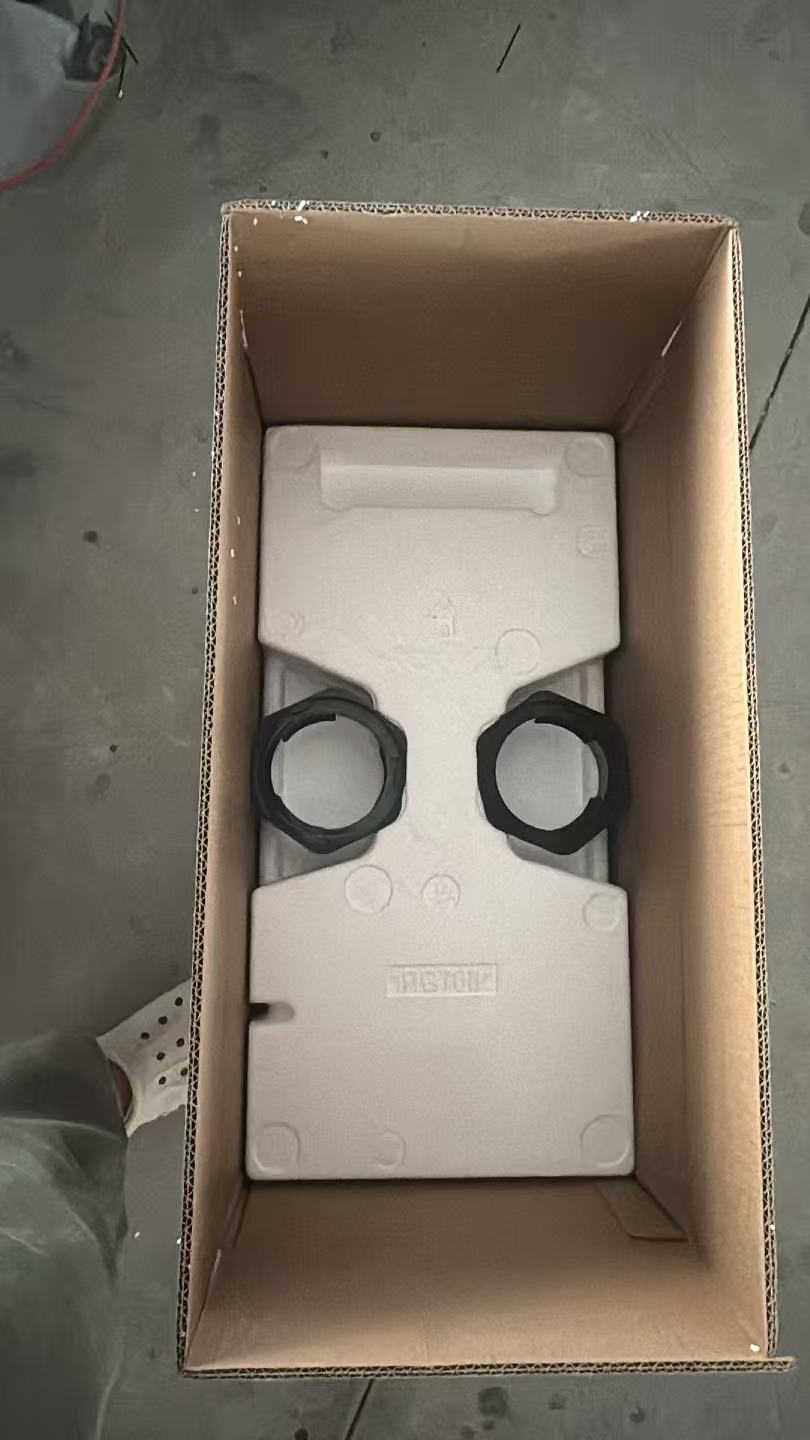
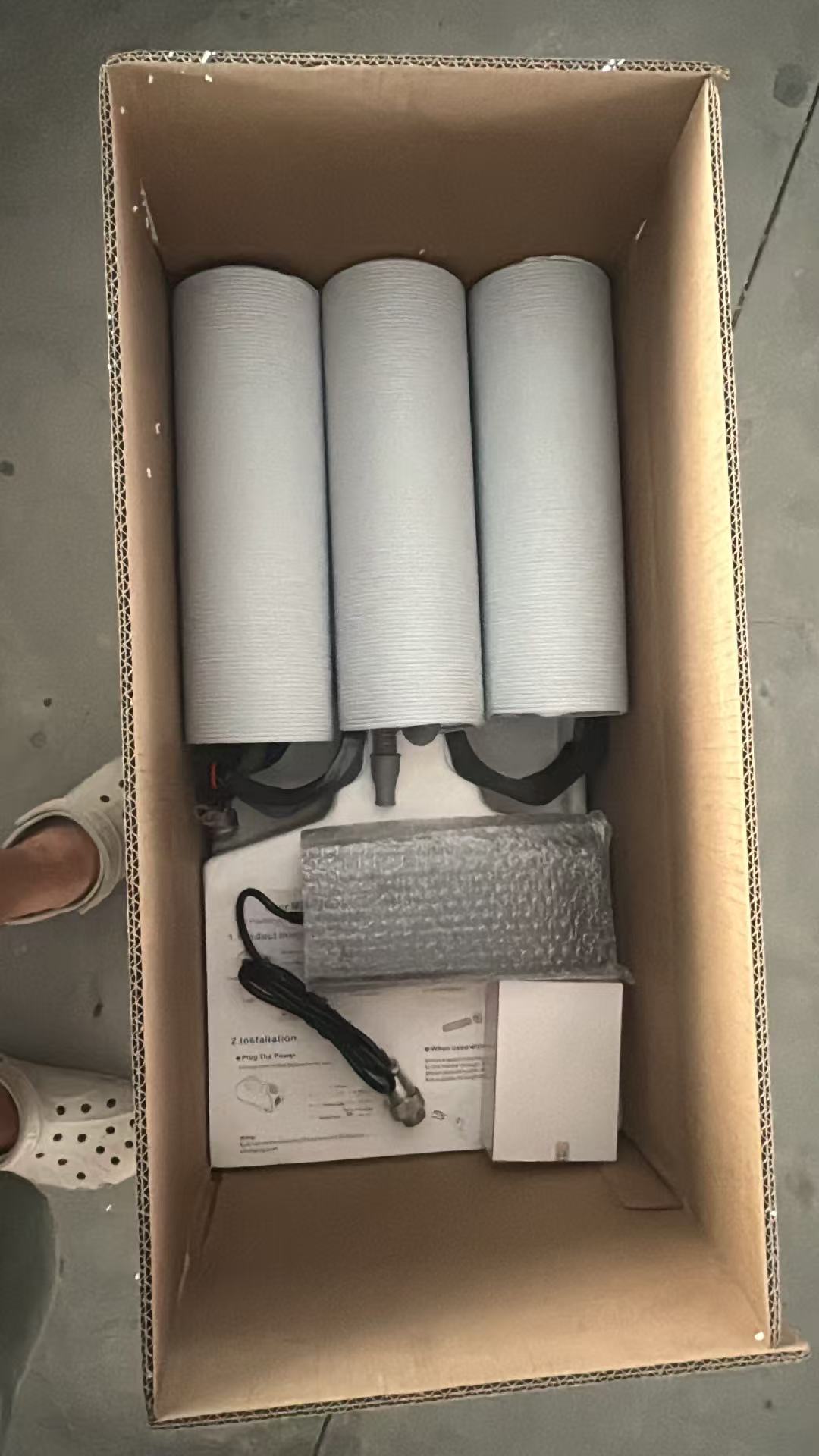
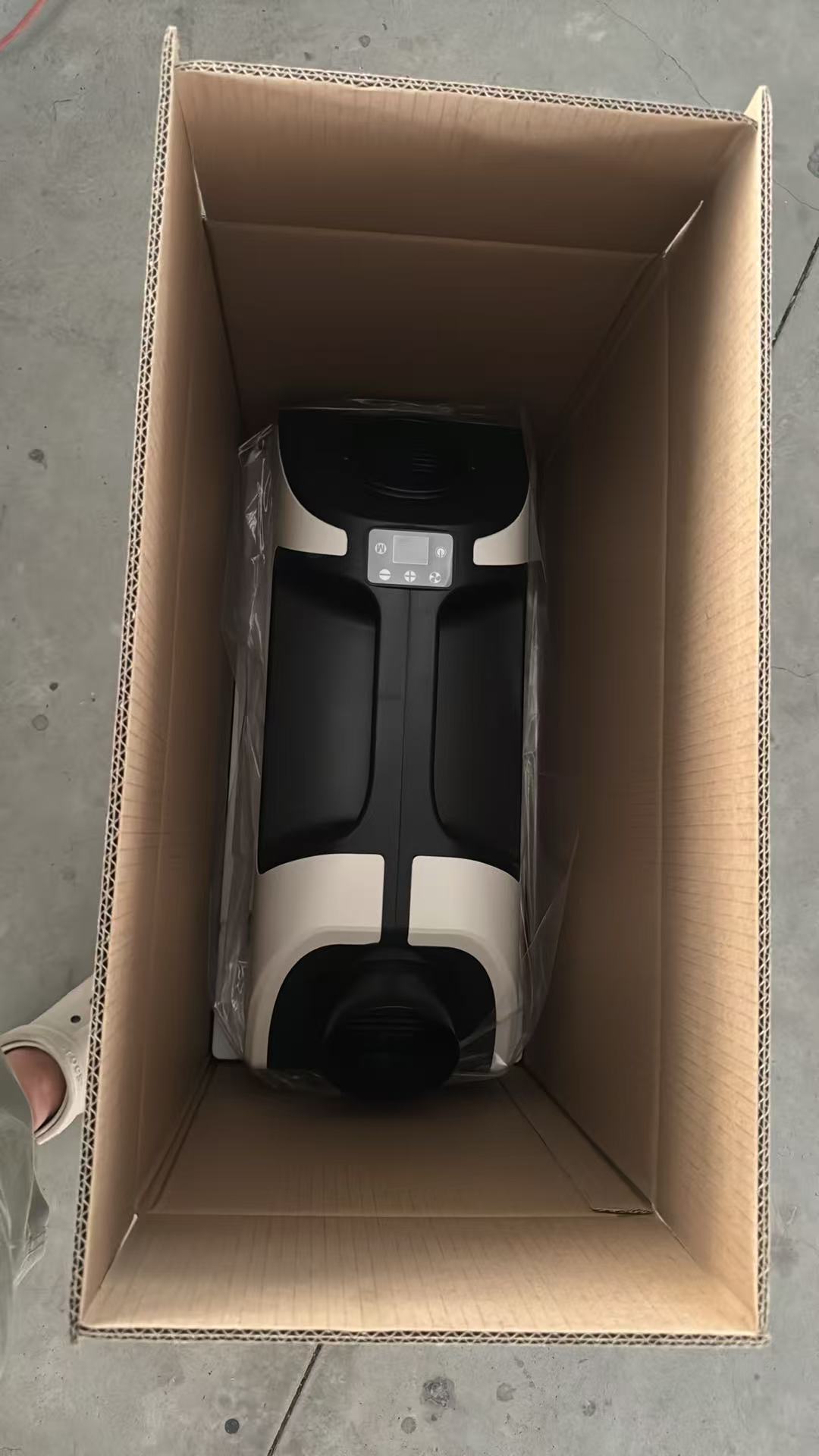
Family campsites often have power, and the KC700 accepts AC 100–240V for those pitches. Where there is no hookup, a modest 24V battery bank carries a full night. Either way the unit weighs 10.5 kg net and measures 585 × 230 × 337 mm — small enough to leave assembled in the boot between trips.
A 3 × 3 m pop-up tent with produce, electronics or a coffee machine inside becomes an oven by mid-morning. Heat does not only make staff miserable; it damages stock and shortens the working day.
Here the spec that matters is noise. At below 55 dB, the KC700 can run through a conversation, a card transaction or a phone call without the vendor having to shout. Climatic class T/ST/N/SN and a 16–30 °C operating range suit the shoulder seasons when most outdoor markets actually run.
The least glamorous application is arguably the most important. Relief shelters, field kitchens, first-aid posts and construction site rest tents all face the same constraint: no fixed infrastructure and no time to build any.
Heat stress degrades concentration and reaction time before it becomes a medical emergency, and outdoor workers are among the most exposed groups.
KingClima has built vehicle HVAC and cold chain transport equipment for over 20 years — truck air conditioners, trailer refrigeration units, bus HVAC and spare parts supplied to fleets worldwide. Portable tent cooling is the same discipline at smaller scale: a compressor selected for duty cycle, refrigerant chosen for global serviceability, and control logic that protects the battery rather than draining it. Buyers who need R134a-based units, container-load quantities (290 / 606 / 693 units per 20 ft / 40 ft / 40HQ) or OEM branding get a manufacturer, not a reseller.


.png)

.jpg)
.png)